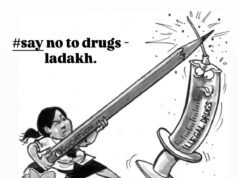
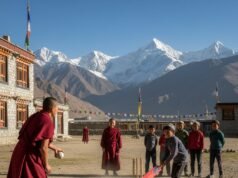
the land where warriors once defended its rugged peaks with unyielding courage, a newbattle unfolds quietly — one not fought with weapons, but against the rising tide of addiction threatening Kargil’s youth. Tucked away in the rugged beauty of the Himalayas,Kargil is often remembered for its strategic importance and serene landscapes. Yet behind the snow-capped peaks and silent valleys, a quieter, more insidious threat is taking root.
The rise of drug abuse in this remote district is no longer a whisper — it’s a growing crisishidden in plain sight, as families grapple with addiction and communities face an uncertain future. For decades, Kargil has remained insulated from many of the social problems that plague urban centers. Its cultural conservatism, close-knit communities, and religious values were thought to be natural barriers against substance abuse. But change has crept in silently. In recent years, local authorities, educators, and families have begun to witness a disturbing rise in drug-related cases — particularly among young people. It is deeplysaddening to hear about the growing issue of drug consumption in Kargil. Such a beautiful and historically rich region, known for its brave people and stunning landscapes, should never have to face the shadows of addiction. The youth, who are the future of this land,deserve better opportunities, support, and hope rather than falling into the trap of substance abuse. It is a painful reminder of the challenges many communities face silently, and it calls for urgent attention, compassion, and collective effort to help those affected find a way back to a healthier, brighter life. What makes this crisis more alarming is its invisibility. Unlike cities where such issues manifest loudly in public spaces, Kargil’s drug problem hides in homes, alleys, and school corridors. It’s a silent epidemic, growing in whispers, away from the public eye.
Causes Rooted In Change
Several factors contribute to this rise. The most significant is the growing sense of aimlessness among the youth. Limited job opportunities, especially in a region with seasonal economic activity, leave many young people disillusioned. The pressure to secure government jobs — a common aspiration in Ladakh — only heightens anxiety,especially when met with repeated failure. Add to this the increasing exposure to digital media, peer influence, and the easy availability of narcotics from neighboring regions, and the stage is set for addiction to take root. What begins as experimentation often turns into dependence — quietly, gradually, and tragically.
The Human Cost
Behind every statistic lies a story: a student who dropped out of college, a son whose behaviour turned volatile, a friend who slowly withdrew from life. Families are left confused, often ashamed, unsure of where to seek help. And in the absence of widespread awareness and rehabilitation infrastructure, the spiral deepens. Mental health remains a taboo topic in many parts of Kargil, and addiction is even more so. As a result,many young addicts suffer in silence, with neither support nor understanding.
Being a Member of The Community Itself It hurts deeply to hear that some of our youth are turning to drugs. These are the same young hearts who once dreamed fearlessly, who laughed freely under our shared skies.Knowing that some now struggle in silence is not just saddening — it feels like a quiet loss we all share. But at the same time, I believe it’s not too late. These young people need understanding, not judgment. They need guidance, not silence. And they need us — as a community, as family — to remind them that they are not alone, and that there is still a path forward, full of light, healing, and hope.
A Call For Urgent Action
While daunting, the drug menace is not unbeatable. Addressing it demands a united approach involving families, religious and community leaders, educators, healthcare providers, and government agencies. Schools and colleges should be venues for awareness programs that educate youth candidly about addiction’s risks and realities.Confidential counselling and support services must become accessible to help struggling
individuals seek help without fear of judgment. Law enforcement agencies have a critical
role to play in tightening controls to halt the narcotics supply, especially along porous
borders. Beyond enforcement, the prevailing narrative must shift — viewing addiction not
as a moral failing but as a public health issue deserving compassion, understanding, and
proactive care.
Conclusion
Kargil stands at a crossroads. Its majestic mountains have borne witness to centuries of
courage and survival. Now, a new form of resilience is needed — one that confronts the
creeping threat of drugs with honesty, compassion, and collective resolve. The shadows
may be silent, but they are growing. It is time to shine a light — before more lives are lost
to the darkness. Until we shine a light on these hidden battles, the youth of Kargil will
remain trapped in darkness. Let us stand together to raise awareness, provide support,
and build a future free from the grip of drugs in Kargil.
About The Author
Saira is a literature student hailing from Kargil. She is a social observer deeply connected
to the Himalayan region and seeks to shed light on the social issues affecting its youth.
Through thoughtful writing, Saira aims to inspire awareness, dialogue, and positive change