
Introduction
“I seem to have run in a great circle, and met myself again on the starting line.”( Jeanette Winterson )
Education is often considered a pathway to liberation—a means to unlock one’s potential and explore new worlds. But what is less acknowledged is the emotional, linguistic, and cultural cost it can demand, especially for those who leave behind their familiar surroundings. The pursuit of education can bring with it the fracturing of one’s identity, where adaptation becomes survival, and the self begins to split between what was and what must be. For many students who move from remote regions to urban academic centers, this transformation is not only intellectual but existential.
Language as Power and Alienation
Language plays a pivotal role in shaping identity. It is not just a medium of communication but a carrier of culture, emotion, and memory. In academic spaces, language becomes a tool of inclusion or exclusion, a benchmark of who belongs and who struggles at the margins. Students who are fluent in English often dominate the discourse, while those from regional or indigenous language backgrounds feel marginalized—even invisible.
This hierarchy of language can fracture the confidence of students who are intelligent but not fluent. Their thoughts are valid, but their tongues are hesitant. Their ideas are powerful, but they are filtered through the fear of being mocked, misunderstood, or dismissed.
A Personal Reflection: From Ladakh to Jammu
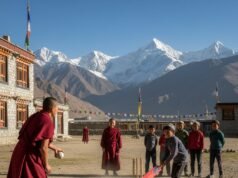
Coming from the remote and serene land of Ladakh to the bustling academic world of Jammu, I was not merely crossing geographical boundaries—I was stepping into a new world that slowly began reshaping the person I once was. Like many students who leave the comfort of their hometowns in pursuit of education, I, too, carried dreams, expectations, and the silent hope of transformation. But what I hadn’t anticipated was the fracturing of identity that would quietly accompany this academic journey.
When I first arrived in Jammu, the difference in language was immediately noticeable. At first, it didn’t trouble me much—I could speak Hindi, albeit with fractured tenses, and I believed that would be enough. However, in the classroom, I found myself increasingly silenced. Professors spoke in English, and students conversed fluently, comfortably navigating academic jargon and classroom discussions. That was the first time I realized how much language becomes a marker of competence—and even worth—in academic spaces. Even though I understood English, expressing myself took time. I hesitated, fearing judgment. It took me months to gather the courage to speak in English in front of my peers.
As I grew more comfortable, I noticed something else: English began to dominate my daily thoughts, and Hindi became my fallback language. Somewhere in between, my native tongue—Purgi—began to fade. It was during phone calls with my parents that I realized how much of my original language I was losing. I began substituting words with Hindi or English, fumbling for phrases I once knew effortlessly. I was no longer just learning a new language—I was slowly, painfully unlearning my own.
This sense of cultural displacement wasn’t limited to language. During an inter-college music competition, we were expected to perform a Western song in Western attire. I had to wear a costume that matched the song’s theme—a style so alien to me that I felt like I was trying on a borrowed identity. It was no longer just about learning; it was about adjusting, conforming, and letting go of what was once familiar. In just a few years, I had moved from sixteen years of living and learning in Purgi and Ladakhi culture to slowly letting go of that world in order to survive and thrive in this one.
Looking back, I know I’ve gained new skills, new knowledge, and a wider perspective. I have grown intellectually. But everything comes at a price. And for me, the cost has been a gradual fragmentation of who I am—the loss of a linguistic and cultural anchor that once grounded me.
Cultural Assimilation and Silent Surrender
This personal story is not mine alone. It echoes the experiences of countless students from tribal, rural, or culturally distinct regions who move into dominant educational structures. They are often forced to suppress their accents, change their clothing, adjust their food habits, and abandon parts of their traditions just to blend in. The academic environment, while rich in knowledge, is rarely neutral—it carries invisible codes of behavior, speech, and presentation that favor those already familiar with the dominant culture.
In striving to become “educated,” students like me are taught to look forward, but rarely are we encouraged to look back and embrace the languages and cultures we are leaving behind. This gradual erasure is what fractures us—bit by bit.
Conclusion: Reclaiming the Fragments
Education should not demand erasure. It should encourage expansion. While learning new languages and adapting to new environments is necessary and even enriching, it should not come at the cost of forgetting one’s roots. Institutions must begin to recognize the diversity of student identities, and create spaces that honour native languages, regional cultures, and alternative ways of knowing.
In this fractured journey, I am learning that healing lies not in choosing one side of my identity, but in finding a space where all parts of me can coexist.
“It is through education that I first understood the meaning of belonging—though it came at the cost of deepening my alienation.”(farzana)
About the Author
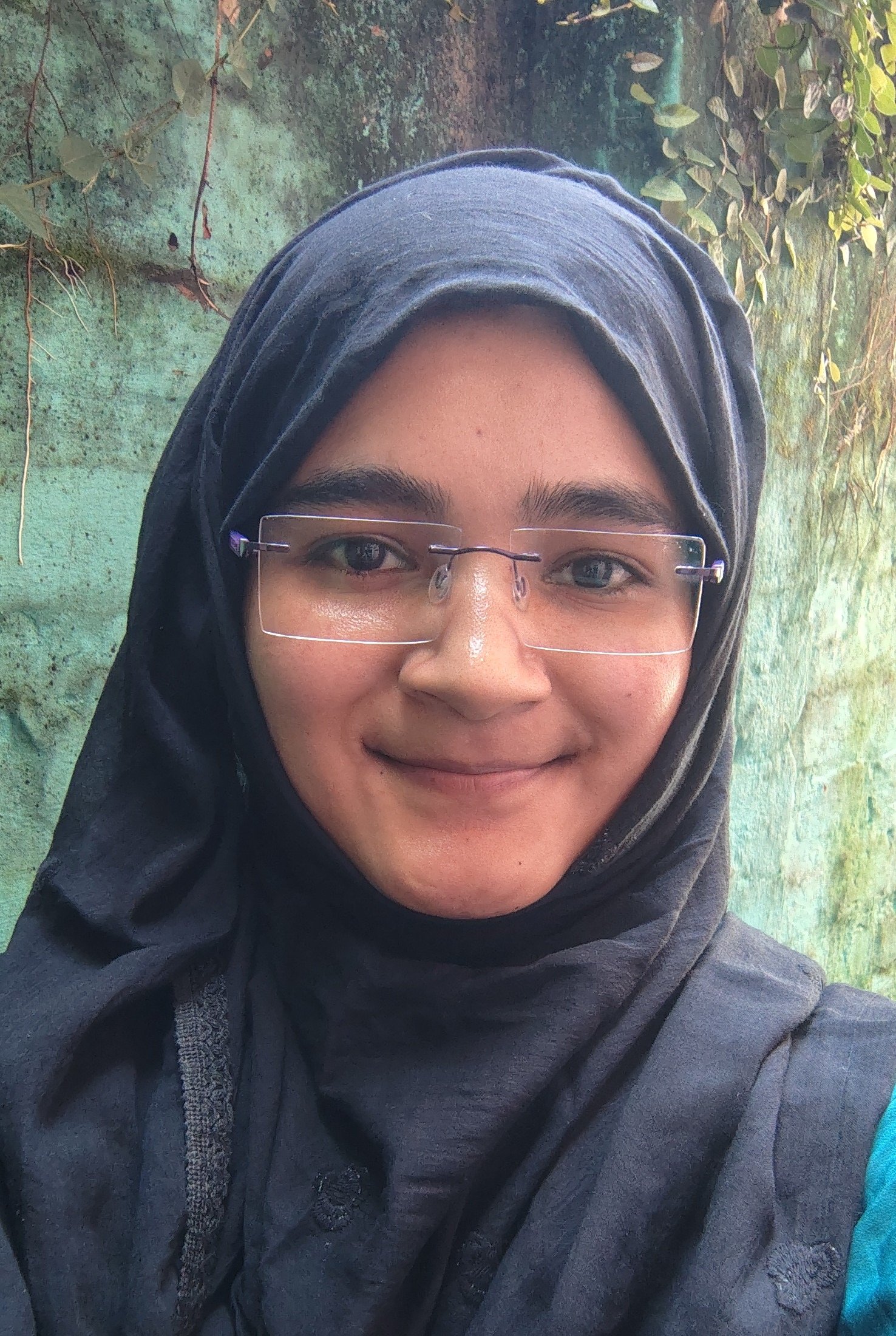
Farzana Batool hails from Goma Kargil. She is a literature student who has been interested in writing since middle school. Her passion for writing grew stronger after high school when she moved to Jammu to pursue her higher studies







Beautiful conveyed.
Wonderfully said.
Well done nomo, keep up the good work 👏
That’s what most of us don’t realize it unless it is too late and yes coexistence best suits for this diverse world. Everyone should be pride of his/her own identity and learning new skills and cultures should boost our knowledge and personality.
I just finished reading your article , and I wanted to express my sincere appreciation for the insight and thoughtfulness you brought to the topic. Your perspective was both inspiring and thought-provoking, and I found myself reflecting on several key points long after I finished reading.
It’s clear that you have a deep understanding of the challenges and opportunities within education, and your passion for meaningful learning really comes through.